Medically reviewed by: Mark A. Yaffe, MD — Board-Certified Orthopedic Surgeon, Subspecialty Certified in Hand Surgery
Key Takeaways
- Tennis elbow (lateral epicondylitis) is often caused by repetitive strain and overuse of the forearm muscles, not just by playing sports.
- Most cases improve significantly with simple changes like rest, ice application, and adjusting how you perform daily tasks to reduce tendon strain.
- Targeted strengthening and stretching exercises are essential for rebuilding tissue tolerance and preventing future flare-ups.
- If home remedies fail, modern options like biologic injections (PRP) and the minimally invasive Tenex FAST procedure can resolve stubborn pain without major surgery.
- For those seeking a personalized treatment plan, Dr. Mark Yaffe offers expert orthopedic care in Schaumburg and the surrounding Chicago area to help you get back to your active lifestyle. Request an appointment today.
Tennis elbow doesn’t have to hold you back. Whether you are an athlete, a carpenter, or someone who spends hours typing at a desk, the sharp, burning pain on the outside of your elbow can make even lifting a coffee cup feel like a heavy lift.
In this blog, Dr. Mark Yaffe shares expert tips for managing and treating tennis elbow effectively. Discover how to regain strength, reduce pain, and explore the innovative options available to get you moving again.
What Is Tennis Elbow and Why Does It Happen?
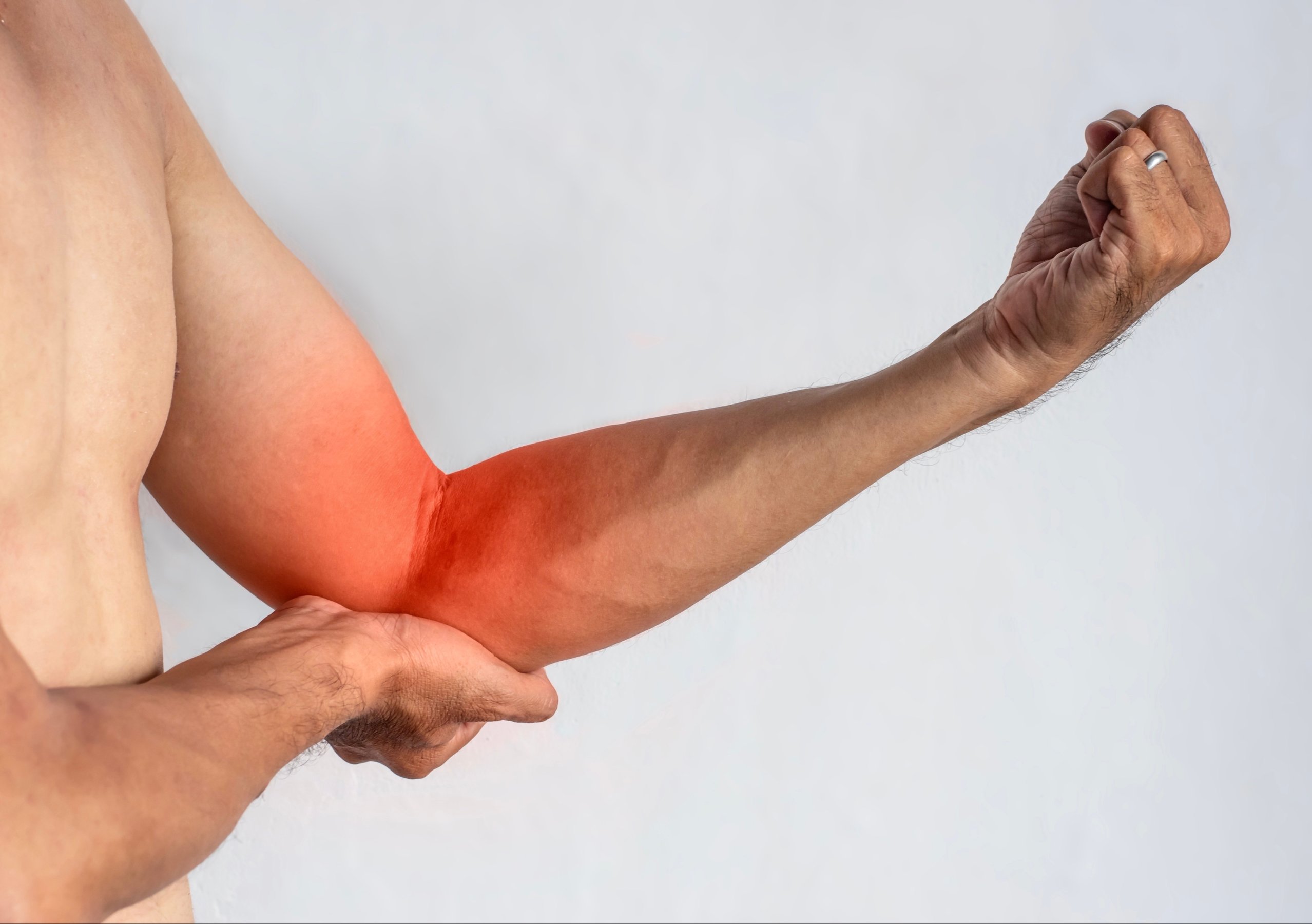
Tennis elbow, medically known as lateral epicondylitis, is a painful condition that occurs when the tendons in your elbow are overloaded, usually by repetitive motions of the wrist and arm. According to the Mayo Clinic, this condition is often linked to overuse and muscle strain, leading to inflammation or micro-tears in the tendons that join the forearm muscles on the outside of the elbow.
While the name suggests a sports injury, you certainly don't have to be a tennis player to get it. Plumbers, painters, cooks, and butchers get tennis elbow more often than the rest of the population. The pain can range from a mild annoyance to severe discomfort that disrupts your sleep and daily routine.
If you're also dealing with tennis elbow, read our guide on 7 signs you have tennis elbow pain a guide from dr mark yaffe in schaumburg il for more information.
Tennis elbow is just one of several elbow conditions we diagnose and treat, so it's worth understanding how it differs from other causes of elbow pain.
Immediate Steps: Temporary Remedies for Managing Pain
If you have just started noticing pain, the first step in how to treat tennis elbow is often simple self-care. The goal is to reduce inflammation and give the stressed tendon a chance to calm down.
- The R.I.C.E. Method: Rest, Ice, Compression, and Elevation remains the gold standard for acute injuries. Applying ice to the elbow for 15 to 20 minutes, three to four times a day, can help reduce swelling.
- Over-the-Counter Relief: Non-steroidal anti-inflammatory drugs (NSAIDs) can help manage pain and swelling temporarily.
- Bracing: Using a counterforce brace—a strap worn around the upper forearm—can relieve pressure on the injured tendon attachment site. This is one of the most common tennis elbow remedies that allows you to continue daily activities with less pain.
The Importance of Rest and Proper Ergonomics
You cannot heal an overuse injury if you continue to overuse the muscle. Rest is not just about doing nothing; it is about actively modifying your activities.
Dr. Yaffe emphasizes that identifying the specific motion causing your pain is crucial. If typing causes pain, assess your workstation. Are your wrists in a neutral position? If you are an athlete, is your grip size on your racquet correct? Poor mechanics or improper equipment are frequent culprits.
By adjusting your ergonomics and taking frequent breaks during repetitive tasks, you stop the cycle of injury. This approach ensures that your treatment for tennis elbow addresses the root cause rather than just masking symptoms.
Physical Therapy: Strengthening Your Way to Recovery
Once the acute pain subsides, restoring function is the priority. Weak forearm muscles place extra stress on the tendons. Tennis elbow exercises designed to stretch and strengthen the forearm muscles are vital for long-term recovery.
Effective exercises often include:
- Wrist Extensor Stretch: Extending the arm and gently pulling the hand back to stretch the forearm.
- Wrist Turns: Using a light weight to rotate the wrist palm-up and palm-down.
- Grip Strengthening: Squeezing a soft ball to build hand and forearm strength.
Implementing these exercises under the guidance of a professional ensures you do not inadvertently cause more damage.
When Home Remedies Aren’t Enough: Medical Treatments
If you have tried rest and exercises but the pain persists, it may be time to see a specialist. Dr. Yaffe specializes in minimally invasive surgery and conservative therapies that bridge the gap between home care and a major operation.
Biologic Injection Therapy (PRP)
For chronic cases, biologic injections such as Platelet-Rich Plasma (PRP) can be a game-changer. This treatment involves using a concentration of a patient's own platelets to accelerate the healing of injured tendons. It uses the body's own healing system to repair the damage.
The Tenex FAST Procedure
For patients who do not respond to conservative care, Dr. Yaffe utilizes the Tenex FAST procedure. This is a minimally invasive, ultrasound-guided technique designed to identify and remove the source of pain—scar tissue—without disturbing the surrounding healthy tissue.
- How it works: A micro-tip releases ultrasonic energy to break down and remove damaged tissue.
- Recovery: The procedure takes about 15 minutes, requires no stitches, and most patients return to normal activities in 4-6 weeks.
It is rare for tennis elbow to require open surgery, but in complex cases involving severe tendon damage, traditional repair or joint replacement surgery might be discussed to fully restore function.
Looking Beyond the Elbow: Comprehensive Upper Extremity Health
Sometimes, pain in the arm can be misleading. The body is an interconnected kinetic chain. Weakness or issues in the shoulder can sometimes force the elbow to overcompensate, leading to strain.
Maintaining overall upper extremity health is vital. Just as patients educate themselves on when shoulder replacement surgery might be necessary due to arthritis or severe damage, it is equally important to recognize when elbow pain signals a need for professional intervention. Ignoring symptoms in one joint can often lead to compensatory injuries in another.
For related symptoms, see our article on Tennis elbow vs general elbow pain how to tell the difference.
Why Choose Dr. Yaffe for Your Care?
When searching for 'elbow doctor near me,' you want a specialist who prioritizes saving your natural joint and tissue whenever possible. Dr. Mark Yaffe is a double-board-certified orthopedic surgeon who focuses on getting patients back to their normal lifestyle safely.
His approach ensures personalized care, moving from the least invasive options to more advanced treatments only when necessary. Whether you need a simple bracing protocol, biologic injections, or the Tenex procedure, Dr. Yaffe creates a roadmap for recovery tailored to your specific life and goals.
For more information on specific conditions, you can visit our detailed elbow resources page.
According to the NHS, tennis elbow is a self-limiting condition, meaning it will eventually get better, but without treatment, it can last between 6 months and 2 years. Don't wait that long to feel better.
Reclaim Your Strength and Say Goodbye to Elbow Pain
Living with chronic elbow pain can limit your work, your hobbies, and your happiness. You do not have to 'just live with it.' From adjusting your daily habits to exploring cutting-edge treatments like Tenex, relief is within reach.
If you are ready to stop the pain and start the healing, schedule a consultation with Dr. Mark Yaffe at Hand to Shoulder Chicago today.
Frequently Asked Questions
What is the fastest way to cure tennis elbow?
There is no overnight cure, but a combination of rest, ice, and bracing (specifically a counterforce brace) usually provides the fastest relief for acute pain. For chronic cases, procedures like Tenex FAST offered by Dr. Yaffe can significantly speed up the resolution of symptoms compared to traditional 'wait and see' approaches.
Can tennis elbow heal on its own?
Yes, it can, but it is a slow process. Without intervention, it can take anywhere from 6 months to 2 years to resolve. Seeking treatment for tennis elbow from a specialist can speed up recovery and prevent recurrence.
What happens if tennis elbow goes untreated?
If left untreated, the condition can become chronic. The tendon may develop significant scar tissue, leading to permanent weakness in your grip and chronic pain that makes simple tasks like turning a doorknob difficult.
Is heat or ice better for tennis elbow?
In the early, painful stages (the first few weeks), ice is generally better to reduce inflammation. Heat may be used later to help relax the muscles and increase blood flow before performing tennis elbow exercises.
When should I see a doctor for elbow pain?
You should search for an elbow doctor near you if your elbow is hot and inflamed, if you cannot move your elbow, if the pain persists despite two weeks of home rest, or if the pain interferes with your ability to sleep or perform your job.
