Medically reviewed by: Mark A. Yaffe, MD — Board-Certified Orthopedic Surgeon, Subspecialty Certified in Hand Surgery
Key Takeaways
- Nerve repair surgery is performed to restore sensation, strength, and function after confirmed nerve damage in the hand or upper extremity.
- A thorough consultation and diagnostic process helps determine whether surgery is necessary or if non-surgical care is appropriate.
- Modern nerve repair techniques use microsurgery and advanced nerve graft technologies to support healing and regeneration.
- Recovery after nerve repair surgery is gradual and closely guided to maximize functional improvement.
- Dr. Mark Yaffe is an expert provider of peripheral nerve repair and microsurgery in Schaumburg and the Greater Chicago area. If nerve pain, numbness, or weakness is affecting daily life, scheduling an appointment can help determine the right treatment path.
What Is Nerve Repair Surgery and Why Is It Performed?
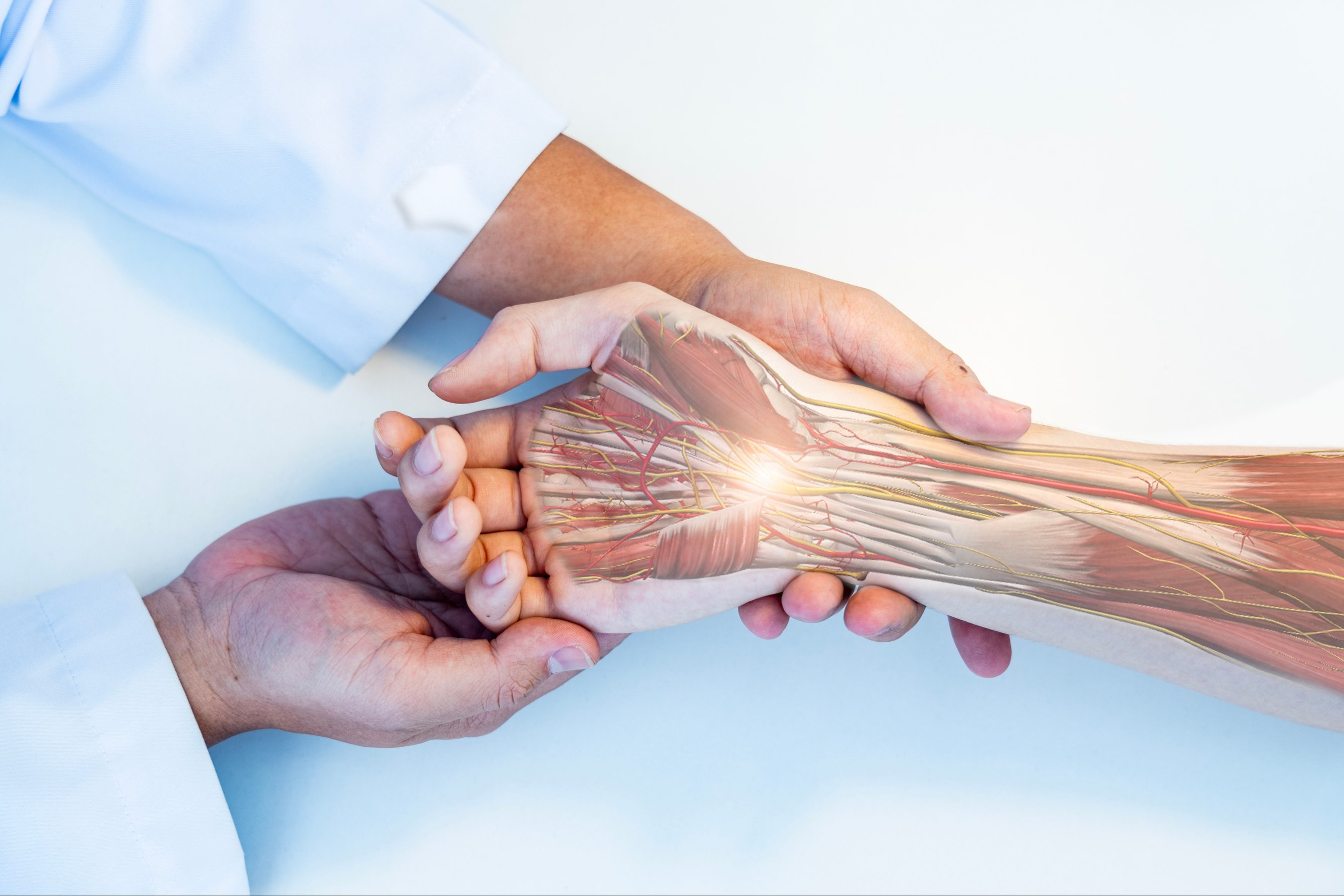
Nerve repair surgery is designed to restore communication between the brain and the affected area by repairing or reconstructing damaged nerve tissue. Peripheral nerves in the hand and arm control sensation and muscle movement. When these nerves are injured, signals may be interrupted, leading to pain, numbness, or loss of function.
Nerve repair surgery may be recommended when:
- A nerve has been severed or severely injured
- Symptoms persist despite non-surgical treatment
- Nerve compression has caused structural damage
- Loss of sensation or muscle function interferes with daily activities
The goal of surgery is to support nerve regeneration and improve long-term function.
The Pre-Surgery Consultation and Evaluation Process
Before recommending nerve repair surgery, Dr. Mark Yaffe conducts a detailed evaluation to confirm the diagnosis and determine the most appropriate treatment.
This initial evaluation takes place at our Schaumburg office, where Dr. Yaffe will review your imaging and discuss your options.
Comprehensive Assessment
The consultation typically includes:
- Review of symptoms, injury history, and progression
- Physical examination focusing on sensation, strength, and coordination
- Evaluation of nerve function using specialized diagnostic tools
- Imaging or nerve studies when needed to confirm the extent of damage
This process ensures that surgery is recommended only when it offers the best chance for meaningful improvement.
Determining Candidacy for Surgery
Not all nerve injuries require surgery. Mild or early nerve issues may improve with non-surgical care. Surgery is generally considered when nerve damage is confirmed and symptoms significantly affect function or quality of life.
For more on whether you're a candidate for this surgery, see our article on Nerve injuries in the hand symptoms and treatment options from a specialist.
Surgical Techniques Used in Nerve Repair
Nerve repair surgery requires precision and specialized expertise. Dr. Yaffe specializes in microsurgical nerve repair techniques designed to minimize scarring while maximizing recovery potential.
For more on how the procedure works, read our guide on What is nerve repair 5 key facts you should know from dr yaffe in schaumburg for more information.
Microsurgery for Nerve Repair
Microsurgery involves using advanced magnification and specialized instruments to repair delicate nerve structures. This approach allows for:
- Precise alignment of nerve ends
- Reduced damage to surrounding tissue
- Improved conditions for nerve regeneration
Advanced Nerve Grafting and Protection
When a nerve gap is present or the nerve cannot be directly repaired, advanced nerve graft and conduit technologies may be used to bridge damaged areas. These tools create a supportive environment that encourages nerve healing and functional recovery.
Each surgical approach is selected based on the type, location, and severity of the nerve injury.
What to Expect on the Day of Surgery
Nerve repair surgery is typically performed using techniques that prioritize patient comfort and efficiency. Many procedures are completed with local or regional anesthesia, depending on the complexity of the repair.
On the day of surgery, patients can expect:
- A carefully planned procedure tailored to the specific nerve injury
- A focus on minimizing incision size and tissue disruption
- Clear post-operative instructions before returning home
Recovery Timeline and Post-Surgical Care
Recovery after nerve repair surgery is gradual. Nerves regenerate slowly, and improvement occurs over time rather than immediately.
Early Recovery Phase
During the initial healing period:
- The surgical area may be protected with splinting
- Activity restrictions help prevent stress on the repaired nerve
- Pain and swelling are managed with appropriate care
Ongoing Recovery and Rehabilitation
As healing progresses:
- Sensation and movement may return gradually over weeks or months
- Hand therapy may be recommended to restore strength and coordination
- Regular follow-up visits allow progress to be monitored
Patience is essential, as nerve regeneration takes time and varies between individuals.
Expected Outcomes and Success Rates
The success of nerve repair surgery depends on several factors, including:
- Severity and location of the nerve injury
- Time between injury and surgery
- Overall health and adherence to recovery guidelines
Many patients experience meaningful improvement in sensation, strength, and pain levels. Early diagnosis and timely surgical care often lead to better outcomes.
Why Specialized Nerve Care Matters
Nerve injuries are complex and require focused expertise. Specialized nerve repair and microsurgery help maximize the chances of restoring function while minimizing complications. Choosing a hand surgeon with advanced training in nerve repair ensures that treatment is precise, evidence-based, and tailored to each patient’s needs.
When Nerve Damage Requires Advanced Surgical Care
Nerve repair surgery plays a critical role in restoring function after confirmed nerve damage. With careful evaluation, advanced microsurgical techniques, and structured recovery planning, many patients regain sensation and improve hand function. Dr. Mark Yaffe provides specialized nerve repair and microsurgery in Schaumburg, offering individualized care for patients experiencing nerve pain, numbness, or weakness.
If nerve-related symptoms are interfering with daily life, scheduling an appointment with Dr. Mark Yaffe for expert nerve damage evaluation and treatment can help clarify next steps and support long-term recovery.
Frequently Asked Questions
What symptoms indicate I may need nerve repair surgery?
Persistent numbness, tingling, weakness, burning pain, or loss of function may indicate nerve damage requiring evaluation.
How long does nerve repair surgery take to heal?
Initial healing occurs within weeks, but nerve regeneration and functional improvement may take several months.
Is nerve repair surgery painful?
Discomfort is usually manageable, and pain typically improves as healing progresses.
Can nerve damage heal without surgery?
Some nerve injuries improve with non-surgical care, but confirmed or severe nerve damage may require surgical repair.
What makes nerve repair surgery successful?
Early diagnosis, precise surgical technique, and adherence to post-operative care all contribute to better outcomes.
