Medically reviewed by: Mark A. Yaffe, MD — Board-Certified Orthopedic Surgeon, Subspecialty Certified in Hand Surgery
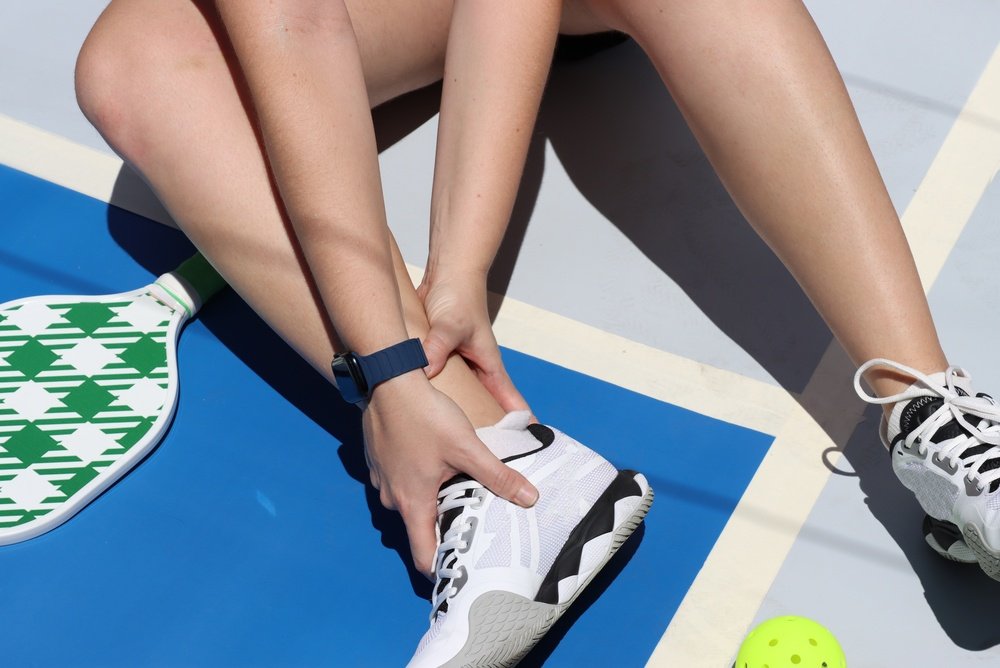 Why Pickleball Injuries Are Booming Across the Northwest Suburbs
Pickleball has become the fastest-growing sport in America, and nowhere is that more apparent than in the northwest suburbs of Chicago. Courts across Schaumburg, Barrington, Palatine, Arlington Heights, Buffalo Grove, and Bartlett are packed with players of all ages — from retirees picking up the sport for the first time to competitive athletes transitioning from tennis.
With that explosive growth has come a corresponding rise in injuries. At Barrington Orthopedic Specialists, Dr. Mark Yaffe has seen a significant increase in pickleball-related hand, wrist, elbow, and shoulder injuries over the past two years. The good news is that many of these injuries are preventable, and those that do occur can be effectively treated when addressed early.
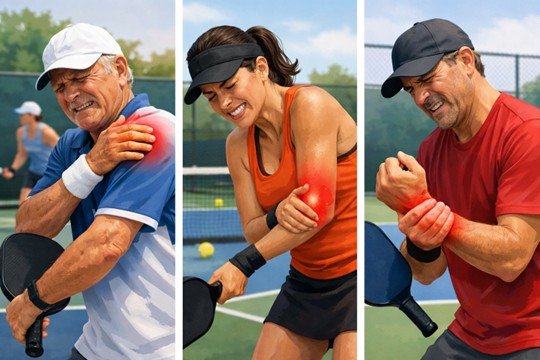
Common pickleball injuries include shoulder pain from overhead shots, elbow tendinitis from repetitive strokes, and wrist injuries from falls or paddle impact.
The Most Common Pickleball Injuries Dr. Yaffe Treats
While pickleball is generally considered a lower-impact sport than tennis, the quick lateral movements, overhead shots, and repetitive paddle strokes can take a real toll on the upper extremity. Here are the injuries Dr. Yaffe sees most frequently at his Schaumburg and Barrington offices.
If you're also dealing with sports injury, read our guide on 6 common pickleball injuries and how you can avoid them for more information.
Lateral Epicondylitis (“Pickleball Elbow”)
Often called “tennis elbow,” lateral epicondylitis is arguably the most common overuse injury among pickleball players. It occurs when the tendons on the outside of the elbow become inflamed from repetitive gripping and wrist extension — exactly the motions involved in backhand strokes and paddle gripping.
Patients from Palatine, Wheeling, and across the northwest suburbs describe a burning pain on the outside of the elbow that worsens during play and can eventually make it painful to even shake hands or lift a coffee cup.
Wrist Sprains and Fractures
Falls are common in pickleball, especially during quick lateral movements near the non-volley zone (the “kitchen”). When players stumble, the natural instinct is to brace themselves with an outstretched hand — which can result in wrist sprains, distal radius fractures (broken wrist), or scaphoid fractures.
These injuries require prompt evaluation by a hand and wrist specialist. At Dr. Yaffe’s offices serving Schaumburg, Barrington, and the surrounding communities, in-office imaging allows for quick diagnosis and a treatment plan that gets you back on the court safely.
Rotator Cuff Strains and Tears
Overhead shots — including serves and smashes — place significant stress on the rotator cuff. For players over 40, whose tendons may already have some age-related wear, the repetitive overhead motion of pickleball can accelerate rotator cuff degeneration or trigger acute tears.
Shoulder pain that worsens with overhead activity, pain that disrupts sleep, or weakness when lifting the arm are all signs that your rotator cuff may be injured and should be evaluated by Dr. Yaffe.
Trigger Finger and De Quervain’s Tenosynovitis
The constant gripping of a pickleball paddle can inflame the tendons in the fingers and thumb, leading to conditions such as trigger finger (a finger that catches or locks when bending) and De Quervain’s tenosynovitis (pain and swelling along the thumb side of the wrist). These conditions are common among dedicated players in Arlington Heights, Buffalo Grove, Bartlett, and throughout the northwest suburbs who play several times per week.
How to Reduce Your Risk of Injury
Prevention is always the best treatment. Based on the patterns Dr. Yaffe sees in his practice, here are the most effective strategies for staying injury-free on the pickleball court.
Warm up thoroughly before playing. Spend at least 10 minutes on dynamic stretching targeting the shoulders, wrists, and forearms. Gentle arm circles, wrist flexion and extension stretches, and forearm rotations prepare your tissues for play.
Choose the right paddle. A paddle that’s too heavy or has a grip that’s too small (or too large) increases strain on your elbow and wrist. Visit a local pro shop and ask about paddle weight, grip circumference, and handle length that match your hand size and playing style.
Strengthen your forearms and rotator cuff. A simple at-home exercise program — including wrist curls, reverse wrist curls, and rotator cuff strengthening with resistance bands — can dramatically reduce your risk of overuse injuries.
Listen to your body. Pain during or after play is not something to push through. Persistent elbow, wrist, or shoulder pain is your body telling you something needs attention. Taking a few days off at the first sign of discomfort can prevent a minor issue from becoming a serious injury.
Invest in proper court shoes. Many pickleball injuries result from falls caused by inadequate footwear. Shoes designed for court sports provide the lateral support and traction you need.
For related symptoms, see our article on 6 upper extremity sports injuries to watch out for this fall.
When to See an Orthopedic Specialist
If you’re experiencing persistent pain in your hand, wrist, elbow, or shoulder that doesn’t improve with rest and over-the-counter anti-inflammatory medications, it’s time to see a specialist. Other signs that warrant prompt evaluation include swelling or bruising after a fall, inability to grip the paddle without pain, catching or locking of a finger, numbness or tingling in the hand, or shoulder pain that wakes you up at night.
Dr. Mark Yaffe has specific expertise in the hand, wrist, elbow, and shoulder conditions that pickleball players experience. He understands the demands of the sport and works with you to develop a treatment plan that prioritizes getting you back to playing safely.
Expert Care for Pickleball Players Across the Northwest Suburbs
Whether you play recreationally at your local park district in Schaumburg or compete in tournaments around the Chicagoland area, Dr. Yaffe and the orthopedic team at Barrington Orthopedic Specialists are here to keep you in the game. With convenient office locations serving Barrington, Schaumburg, Palatine, Arlington Heights, Bartlett, Buffalo Grove, Wheeling, and the surrounding communities, specialized care is never far away.
Dr. Yaffe specializes in treating sports injuries among pickleball players across the region.
About Mark Yaffe, MD — Hand to Shoulder Specialist
Dr. Mark Yaffe is a highly trained orthopedic surgeon specializing in conditions of the hand, wrist, elbow, and shoulder. Board-certified and fellowship-trained, Dr. Yaffe provides expert diagnosis and personalized treatment plans — from conservative care to advanced minimally invasive surgery — for patients throughout the northwest suburbs of Chicago.
Schedule a consultation with Dr. Yaffe:
- handtoshoulderchicago.com — Dr. Yaffe’s personal practice
- barringtonortho.com — Barrington Orthopedic Specialists